ACP5 or ACP7? Let’s Untangle the Acronyms Together
If you own a building in New York City built before 1987 and you’re planning renovations, you’ve probably encountered a jumble of letters that looks something like this: DEP. DOB. ACP5. ACP7. ACM. CAI. By the time you add “pre-war” and “permit application” to the mix, it’s enough to make anyone’s head spin. We know. We talk to people like you every day.
At Enviroscience Consultants, our job isn’t just to test for asbestos. It’s to help you navigate the regulatory maze so you can actually get to the fun part: building your dream space.
Here’s how we break it down.

Step One: The ACP5 Question
The first thing we need to know is whether your renovation area contains asbestos. That means an inspection. A licensed asbestos investigator comes to your building, samples the materials you plan to disturb, and sends them to a lab.
This inspection results in an ACP5. It’s a formal report required by the NYC Department of Buildings. Think of it as your building’s asbestos ID card for the specific area where you’re working.
If the report comes back clean, you’re done. You submit your ACP5 with your permit application and move forward. No abatement. No delay.
But sometimes the report comes back positive. And that’s when people usually panic.
The Fork in the Road
When we call a client with asbestos findings, there’s often silence on the other end of the line. We get it. You’ve waited a few days for answers and the last thing you want is more steps.
But here’s what we tell them: This is not the end of your project. It’s just a different path.
If asbestos is present and it will be disturbed by your work, you don’t cancel your renovation. You pivot to the next step. The ACP7.


Step Two: The ACP7 Notification
An ACP7 is an Asbestos Project Notification. It’s the document you file with the NYC Department of Environmental Protection when you need to remove asbestos containing materials.
It tells the city exactly what you’re removing, who is removing it, and when the work will happen. The form must be submitted at least ten business days before abatement begins. No exceptions.
This is where a lot of property owners get stuck. Because the ACP7 isn’t just a form. It requires coordination with a licensed abatement contractor, accurate quantities of material, and strict timelines.
That’s where we step in.
How We Guide You Through
At Enviroscience, we don’t hand you a lab report and wish you luck. We stay with you.
If your ACP5 comes back clean, we make sure your form is filed correctly so your permit isn’t delayed.
If your ACP5 comes back positive, we explain what it means, help you connect with qualified abatement contractors, and file your ACP7 with the DEP. We also handle the post-abatement clearance testing to verify the space is safe and ready for construction.
We translate the acronyms. We demystify the deadlines. We turn a maze into a straight line.
Environmental News, Resources and Insights
News, updates, resources and important information from the Envrioscience team with over 80 years of combined experience. Join our mailing list below to be receive the latest updates directly to your inbox.
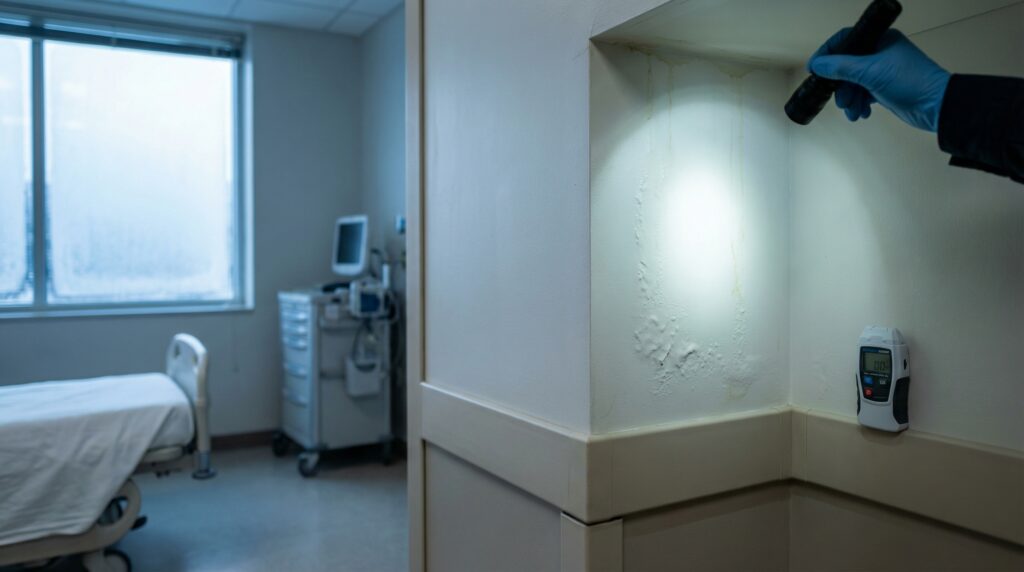
Areas of Special Concern for Mold in Medical Facilities
Read More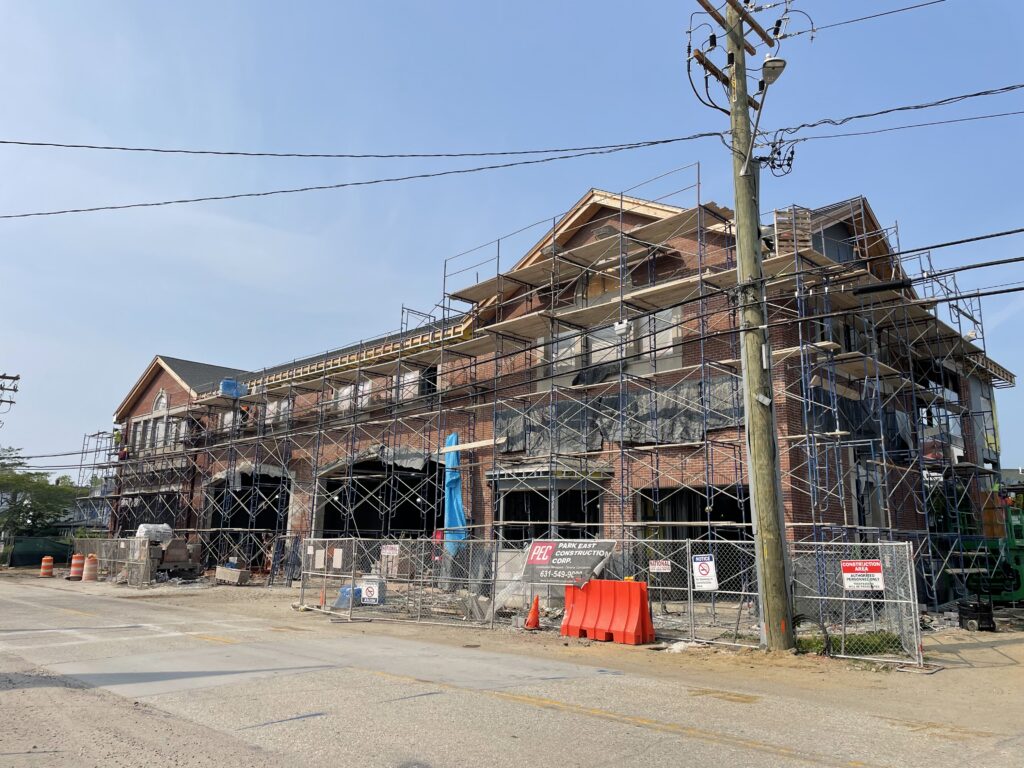
ACP5 or ACP7? Let’s Untangle the Acronyms Together
Read More
Eric M. Hofmeister Joins Enviroscience Consultants
Read More
The Use of Spore Traps in Assessing Airborne Microbial Levels
Read More
Annual Asbestos Awareness Training
Read More
Carbon Dioxide as a Ventilation Indicator
Read More
NYS Lead in Drinking Water in Schools Update
Read More
Testing Lead in Drinking Water Westchester, Rockland, Putnam, Nassau and Suffolk County School Districts, NY
Read More
Mold Investigation and Remediation Management – Hauppauge HS, Hauppauge, NY
Read More
Contaminated Soil Remediation Management – Harborfields Central School District, Greenlawn NY
Read More
Risk Assessment and Air Quality Services – Frank P. Long Intermediate School, Bellport, NY
Read More